.
The gut has received increasing attention in scientific research related to overall well-being. Sensations such as bloating, slow digestion, and irregular bowel habits are common in many people’s daily lives and are often associated with how the digestive system functions.
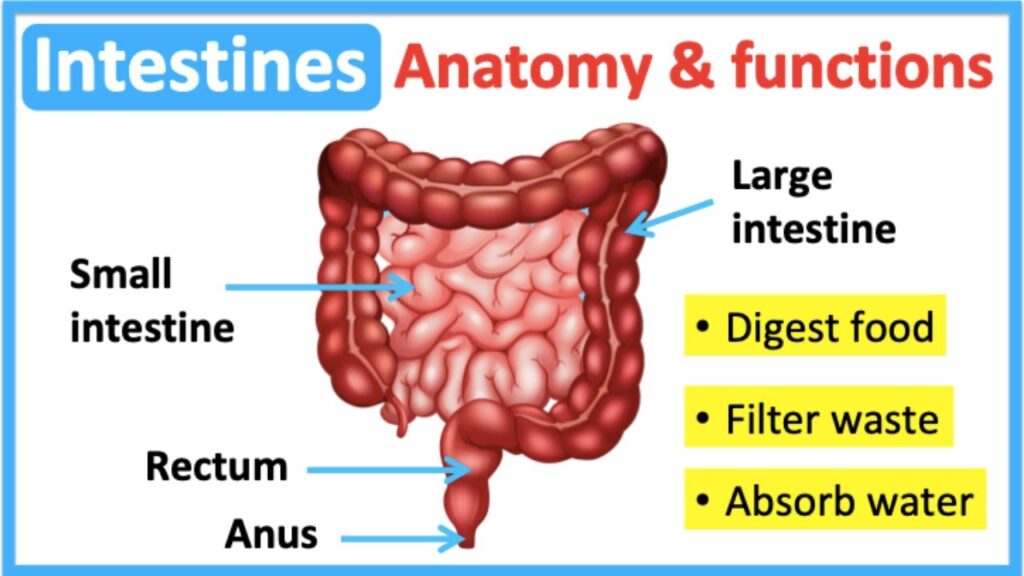
As research has advanced, it has become clear that the gut does more than digest food. It also hosts a complex ecosystem of microorganisms that play important roles in the body.
This article is educational in nature and presents science-based information about gut balance and the role of probiotics. It is not intended to diagnose, treat, or cure any disease.
What Is the Gut Microbiota?
The gut microbiota refers to the collection of microorganisms that live in the digestive tract, particularly in the intestines. These microorganisms include bacteria, yeasts, and other microbes that naturally coexist in the human body.
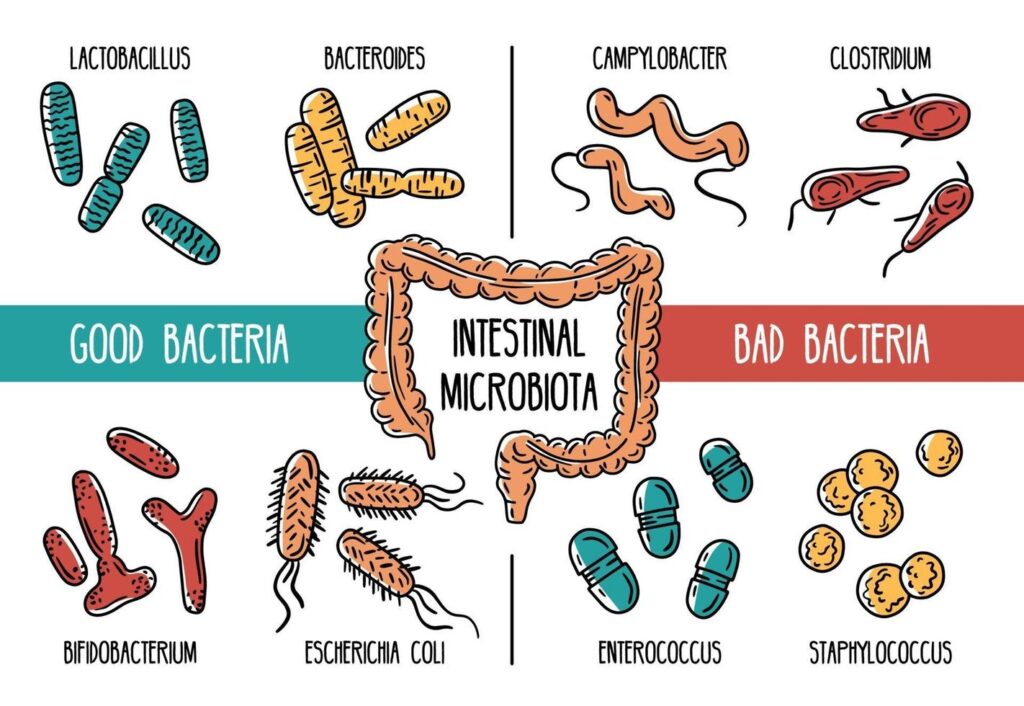
Scientific studies suggest that the gut microbiota is involved in processes such as:
- Digestion and fermentation of food
- Production of beneficial compounds
- Support for nutrient absorption
- Maintenance of intestinal balance

When this ecosystem is balanced, the digestive system tends to function more comfortably and regularly.
Factors That May Affect Gut Balance
Several aspects of modern lifestyle may influence the gut microbiota. Among the most commonly cited factors in scientific literature are:
- Diets high in ultra-processed foods
- Low fiber intake
- Frequent stress
- Changes in sleep routines
- Repeated use of antibiotics

These factors do not necessarily cause disease, but they may contribute to imbalances that affect digestive comfort in everyday life.
Common Signs of Gut Imbalance
Some people report signs that may indicate the gut is not functioning optimally, such as:
- Abdominal bloating
- Frequent gas
- Heavy or uncomfortable digestion after meals
- Irregular bowel movements
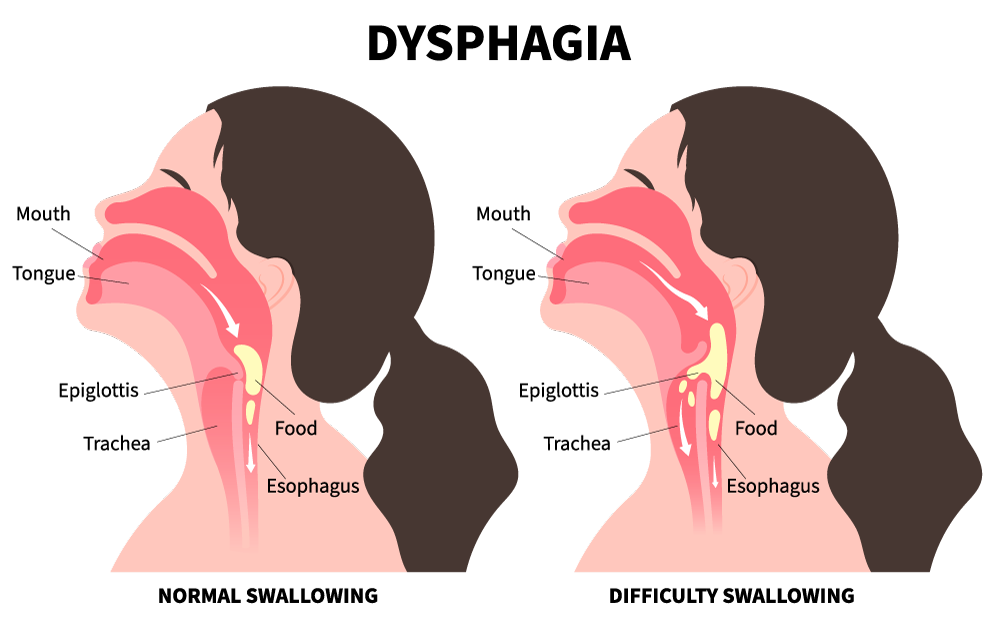
It is important to note that these signs are common and do not replace professional evaluation. Each person’s body responds differently, and only a qualified health professional can provide a diagnosis.
What Are Probiotics?
Probiotics are live microorganisms that, when consumed in adequate amounts, may help support the balance of the gut microbiota.

According to scientific literature, certain probiotic strains are studied for their potential to support:
- Microbial diversity in the gut
- Digestive comfort
- Regular bowel function
Results may vary from person to person and depend on factors such as diet, lifestyle, and consistency of use.
Diet and Probiotics
Some fermented foods, such as yogurt and fermented vegetables, are natural sources of probiotics. However, modern diets do not always provide sufficient quantity or variety of these beneficial microorganisms.

In addition, factors such as stress and a fast-paced routine may make it more difficult to maintain gut balance through diet alone.
Probiotic Supplementation as Daily Support
Given this context, probiotic supplements have been studied as a practical way to support gut microbiota balance, especially when combined with a balanced diet and healthy lifestyle habits.
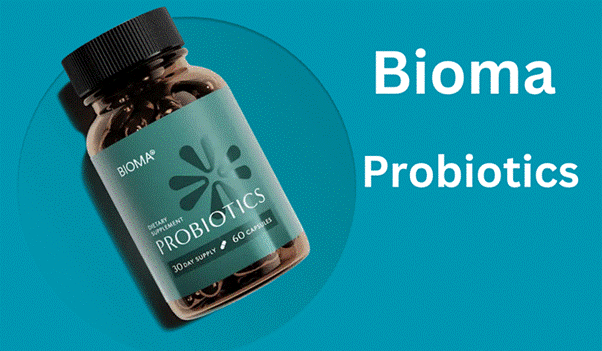
It is important to emphasize that supplements:
- Do not replace a varied diet
- Are not intended for medical treatment
- Do not diagnose, treat, or cure diseases
Their role should be viewed as support for digestive well-being, and professional guidance is recommended when needed.
Final Considerations
Taking care of gut health is part of a broader approach to overall well-being. Scientific understanding of the gut microbiota and the role of probiotics continues to evolve, providing clearer insights into their importance for bodily balance.

Seeking knowledge, maintaining healthy habits, and making informed choices are essential steps for those who want to better understand and care for their bodies.
This content is educational and informational and does not replace guidance from qualified health professionals.
Important Notice

This article does not provide medical advice, diagnosis, or treatment. The information presented is based on scientific research and is intended for educational purposes only. For personalized guidance, consult a qualified healthcare professional.